
Skin Biopsy
in Fresno, CA
Changes in your skin can be a significant source of concern. Our expert team is dedicated to providing thorough diagnostic services, including precise skin biopsies, to accurately identify and address a wide range of dermatological conditions. With advanced techniques and a commitment to patient comfort, we ensure you receive the clearest answers and the most appropriate care for your skin health.
Table of contents

Understanding
Skin Biopsy
Purpose of Diagnostic Skin Sampling
Common Types of Skin Biopsies
Shave and Punch Biopsy Methods
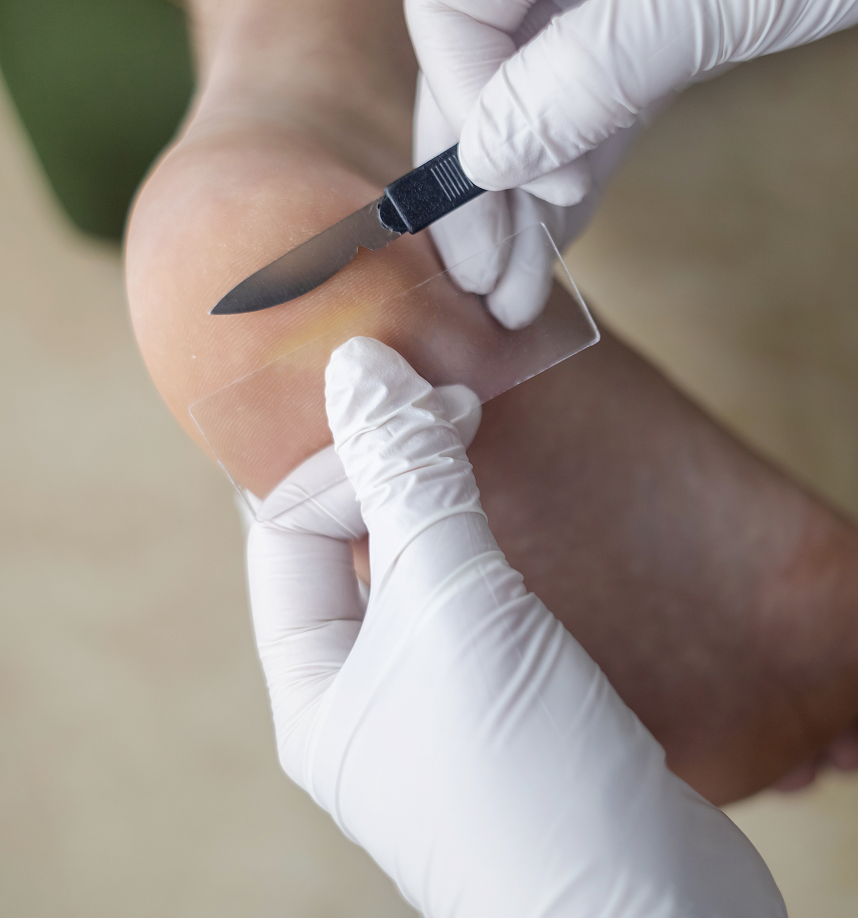
Shave Biopsy: This technique involves using a small razor blade to “shave” off the outermost layers of skin, including the epidermis and a portion of the dermis. It’s commonly used for lesions that are raised above the skin surface, such as skin tags, seborrheic keratoses, and certain types of basal cell carcinoma.
Punch Biopsy: For conditions requiring a deeper tissue sample, a punch biopsy is performed. A circular tool, similar to a small cookie cutter, is rotated into the skin to remove a cylindrical core of tissue, including the epidermis, dermis, and sometimes a portion of the subcutaneous fat. This method is often used for suspicious moles, inflammatory rashes, and when assessing the depth of a lesion.
Excisional and Incisional Biopsy Techniques
Excisional Biopsy: This method involves surgically removing the entire lesion, along with a small margin of surrounding healthy skin. It is typically performed for lesions in which complete removal is desired, either for definitive diagnosis or as treatment for conditions such as melanoma, ensuring that all abnormal cells are removed. The wound is then closed with sutures.
Incisional Biopsy: In cases where a lesion is large or located in a cosmetically sensitive area, an incisional biopsy may be performed. This technique involves removing only a representative portion of the lesion, allowing for diagnosis without immediately removing the entire growth. If the biopsy reveals malignancy, further treatment or a subsequent excisional procedure may be necessary.
Conditions Diagnosed via Skin Biopsy
Skin Cancer and Melanoma
Evaluating Rashes and Inflammatory Disorders
Preparing for Your
Biopsy Appointment
What to Expect During the Procedure
Local Anesthesia
The Sample Collection Process
Aftercare and Wound Healing Process
Daily Cleaning and Bandage Changes
Managing Potential Side Effects
Interpreting Your Pathology Results
Laboratory Analysis and Timeline
Who Can Benefit
from Skin Biopsy?
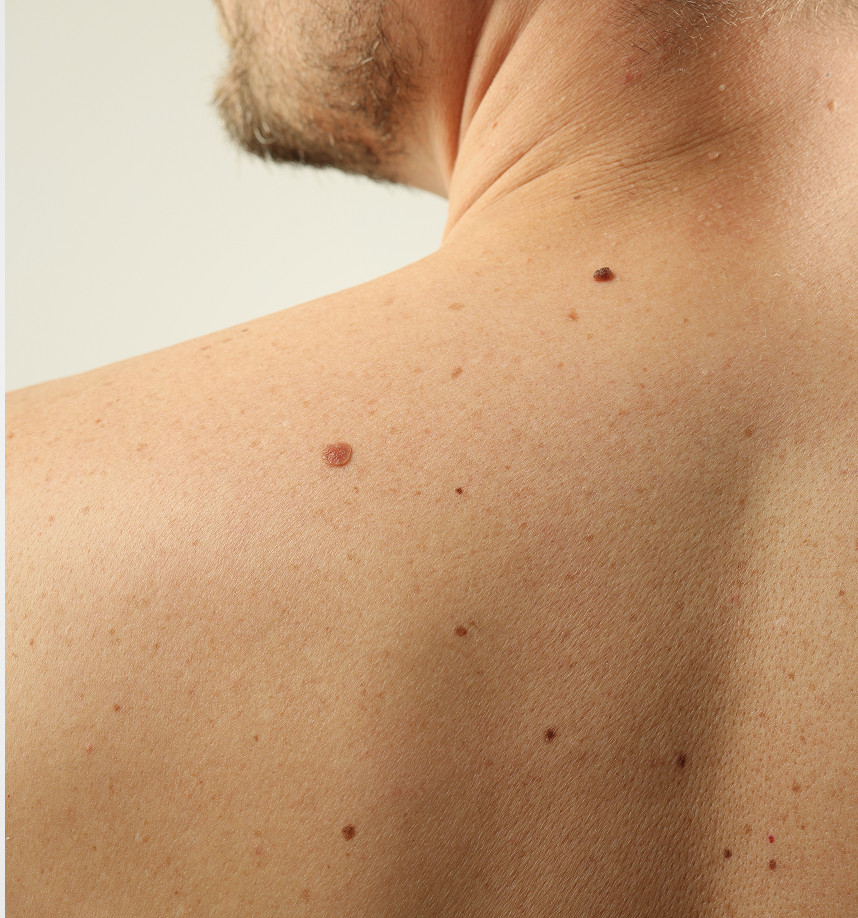
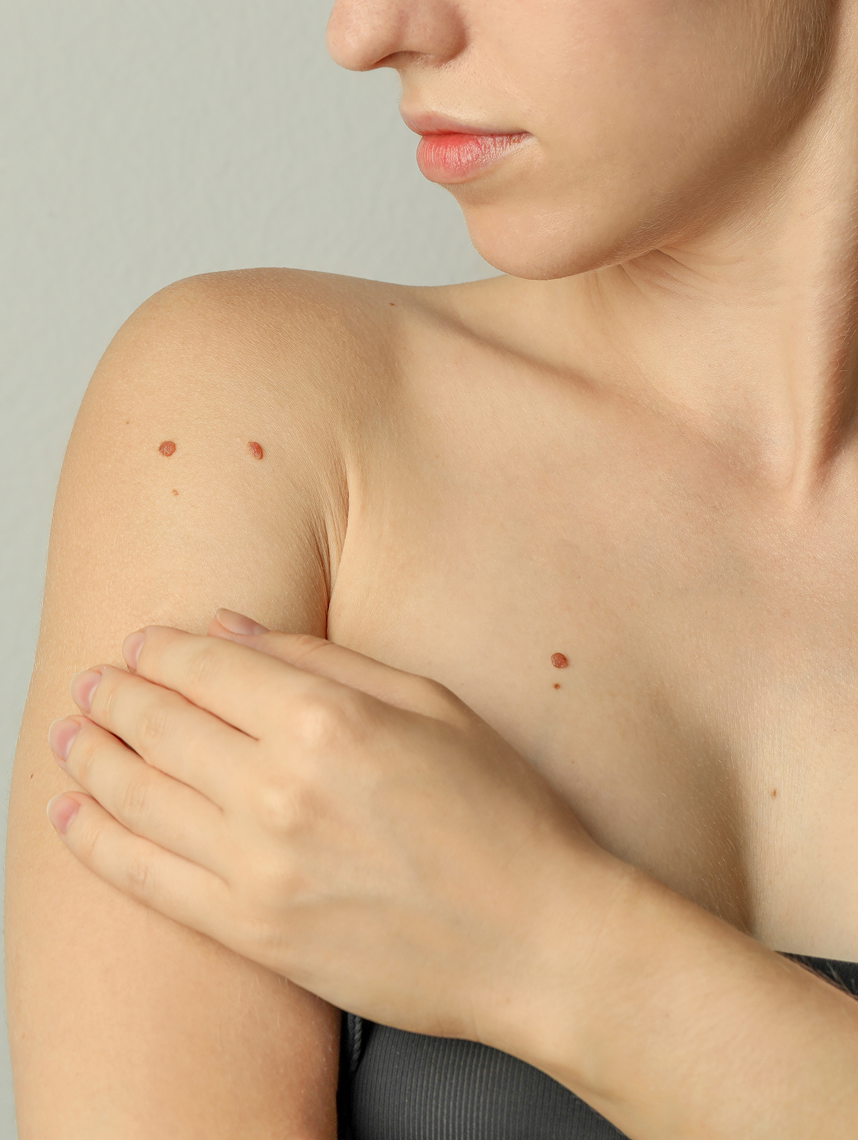
- Those with suspicious moles or lesions – Any growths that change in size, shape, or color may require evaluation to rule out skin cancer.
- Patients with unexplained rashes or chronic skin conditions – Persistent eczema, psoriasis, or other inflammatory disorders can be clarified through biopsy.
- People with recurring infections or lesions – Biopsies can help identify bacterial, viral, or fungal causes that are not easily diagnosed through visual examination alone.
- Individuals with a family history of skin cancer – Early detection is critical for those at higher risk, and a biopsy can provide peace of mind and guide preventative care.
- Patients needing treatment planning – When the type, depth, or severity of a skin condition is uncertain, biopsy results inform the most effective treatment strategies.
Benefits of Skin Biopsy
Accurate Diagnosis
Early Detection of Skin Cancer
Guided Treatment Planning
Peace of Mind
Minimally Invasive with Quick Recovery
Cost of Skin Biopsy in Fresno, CA
Precision and Care in Every Skin Biopsy
Frequently Asked Questions (FAQs)
Is a skin biopsy painful?
- A local anesthetic is used to numb the biopsy site, making the procedure itself painless. You might feel a slight sting from the anesthetic injection.
How long does it take to get biopsy results?
- Typically, results are available within 7-14 business days, though some complex cases may take longer. We will contact you as soon as your results are ready.
Will I have a scar after a skin biopsy?
- Any time skin is cut, there is a potential for a scar. The size and appearance of the scar depend on the biopsy type, its location, and your individual healing process. Our team employs techniques to minimize scarring.
Do I need to stop taking medications before my biopsy?
- It is crucial to inform your provider about all medications you are taking, especially blood thinners. They will advise you if any adjustments are necessary before your biopsy.